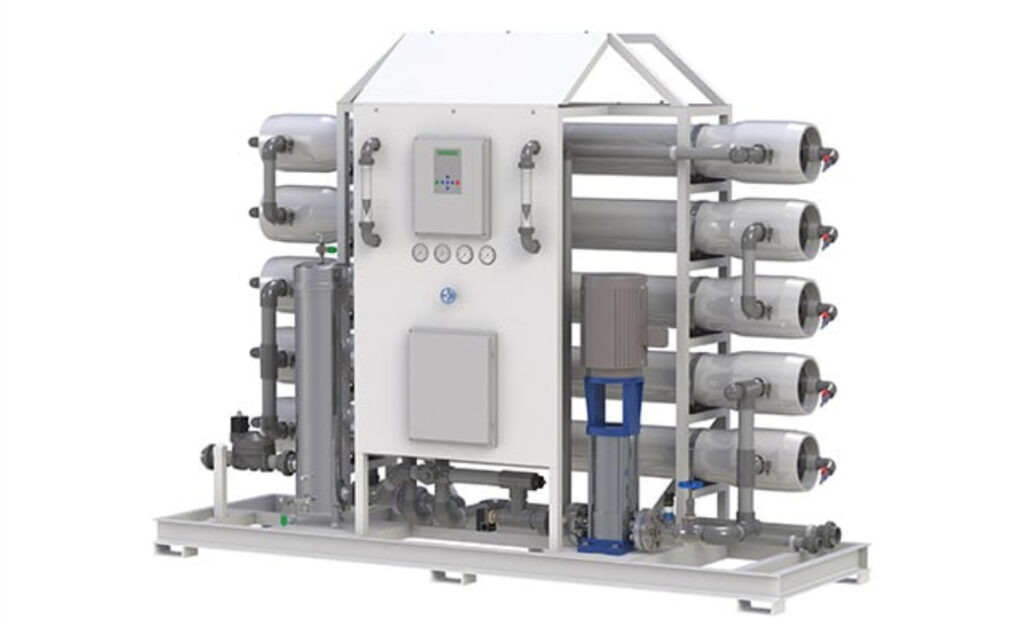

Domestic RO Water Treatment Plant Ensuring Pure Drinking Water at Home

Introduction
Clean and safe drinking water is essential for a healthy life. Unfortunately, tap water in many areas contains impurities such as chlorine, heavy metals, bacteria, and dissolved salts, making it unsafe for direct consumption. To address this concern, more households are turning to Domestic RO (Reverse Osmosis) Water Treatment Plants as a reliable solution for water purification.
Domestic RO systems are compact, user-friendly water purifiers designed to provide high-quality drinking water for everyday use. Using advanced filtration technology, these systems ensure that the water you consume is not only clean but also healthy.
What is a Domestic RO Water Treatment Plant?
A Domestic RO Water Treatment Plant is a small-scale water purification system that uses reverse osmosis technology to remove contaminants from tap, borewell, or tanker water. In reverse osmosis, water is forced through a semi-permeable membrane that blocks dissolved salts, bacteria, viruses, and other impurities.
These systems are typically installed in kitchens and connected directly to the water supply, providing safe and tasty drinking water at the turn of a tap.
Key Components of a Domestic RO System
-
Pre-Sediment Filter
Removes large particles such as dust, sand, and rust from the water. -
Activated Carbon Filter
Eliminates chlorine, foul odors, and organic chemicals. -
RO Membrane
The core component that removes dissolved salts, heavy metals, and microorganisms. -
Post-Carbon Filter
Enhances taste and ensures the removal of any remaining odors. -
UV Sterilizer (optional)
Kills bacteria and viruses using ultraviolet light. -
Mineral Cartridge (optional)
Re-adds essential minerals like calcium and magnesium for improved taste and health. -
Storage Tank
Holds purified water for immediate use.
How It Works: The RO Purification Process
-
Water enters the pre-filter to remove suspended impurities.
-
Activated carbon neutralizes chlorine and organic pollutants.
-
RO membrane filters out TDS (Total Dissolved Solids), bacteria, and heavy metals.
-
UV sterilization (if present) further ensures microbial safety.
-
Mineral cartridge improves taste and restores natural minerals.
-
Purified water is stored in the tank, ready for use.
Benefits of Using a Domestic RO Water Treatment Plant
-
✅ Removes Harmful Contaminants
Effectively filters out arsenic, fluoride, lead, nitrates, and bacteria. -
✅ Improves Taste and Odor
Removes chlorine and organic substances that affect water taste and smell. -
✅ Health Benefits
Prevents waterborne diseases and promotes better digestion and immunity. -
✅ Convenience
Provides ready-to-drink water without the need for boiling or bottled water. -
✅ Cost-Effective
Reduces long-term dependence on packaged drinking water.
Who Should Use a Domestic RO System?
-
Households with high TDS levels in water (above 300 ppm)
-
Homes relying on borewell or tanker water
-
Families with children, elderly, or health-sensitive members
-
People concerned about waterborne diseases or water taste
Maintenance Tips for Domestic RO Units
-
Replace pre-filters every 3–6 months.
-
Change the RO membrane every 1–2 years depending on water quality.
-
Clean and sanitize the storage tank regularly.
-
Get a professional service check-up at least once a year.
Proper maintenance ensures better performance, water quality, and system longevity.
Conclusion
A Domestic RO Water Treatment Plant is a smart investment in your family’s health and well-being. With its multi-stage purification process, it ensures safe, tasty, and contaminant-free drinking water directly from your kitchen tap.
Whether you’re dealing with high TDS levels or simply want peace of mind, a domestic RO system offers an effective, convenient, and economical solution for your home.